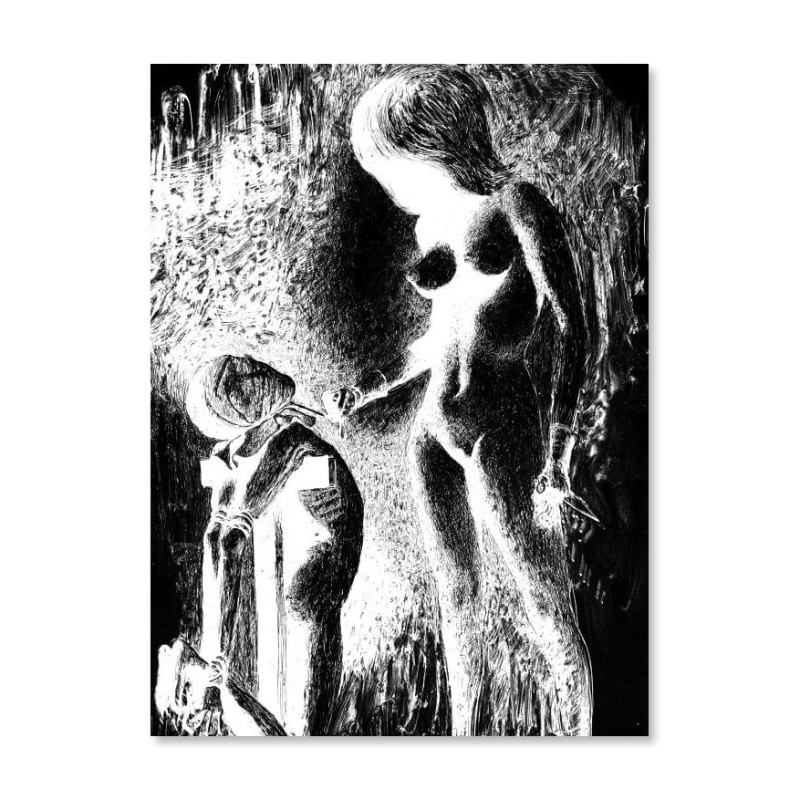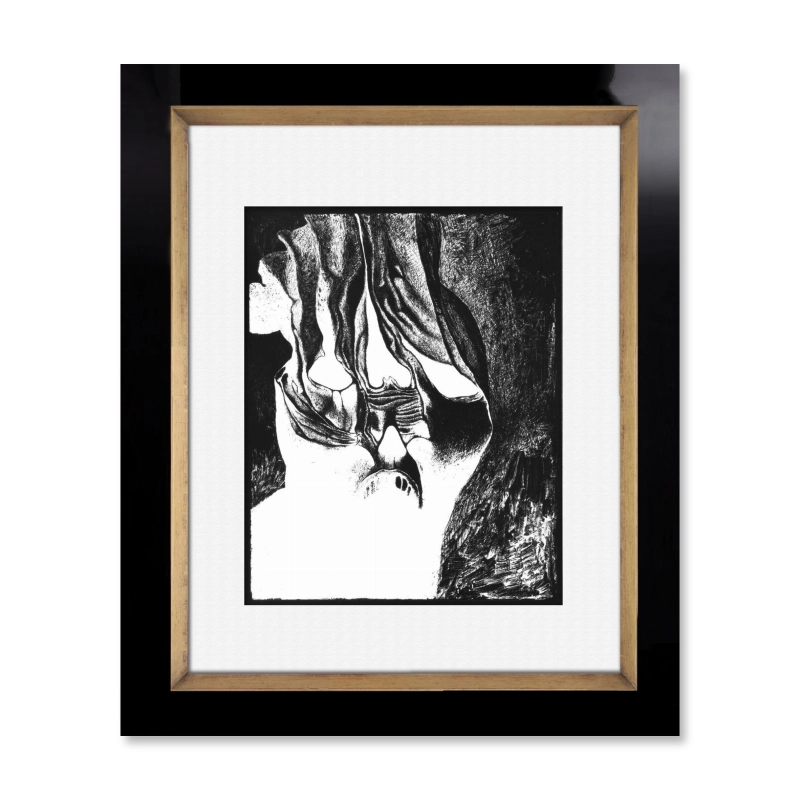
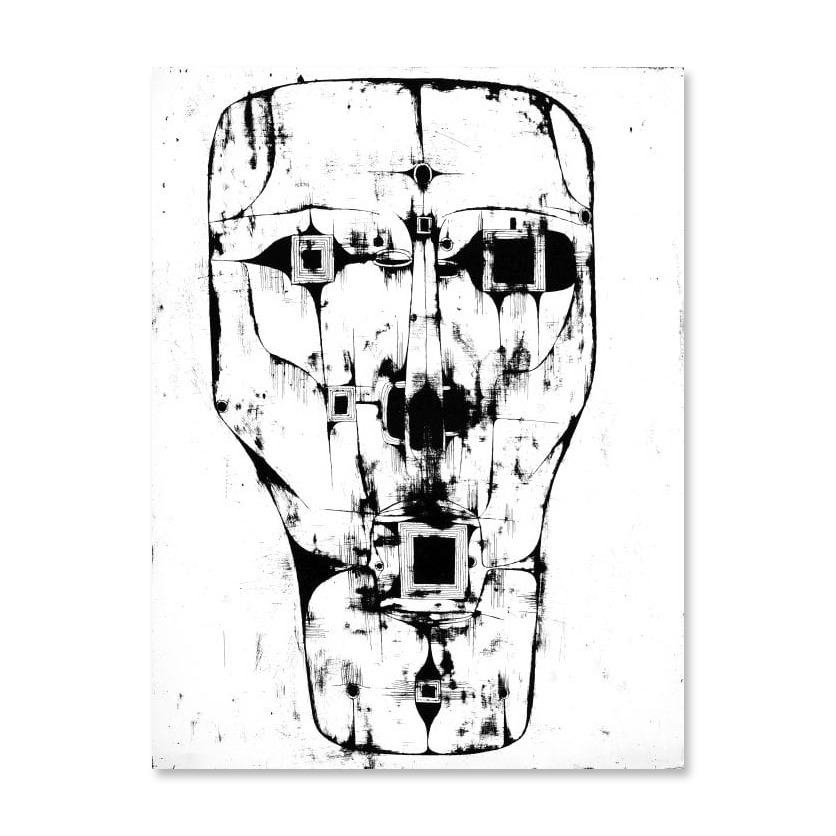
Zdzislaw Beksinski - Untitled (12)
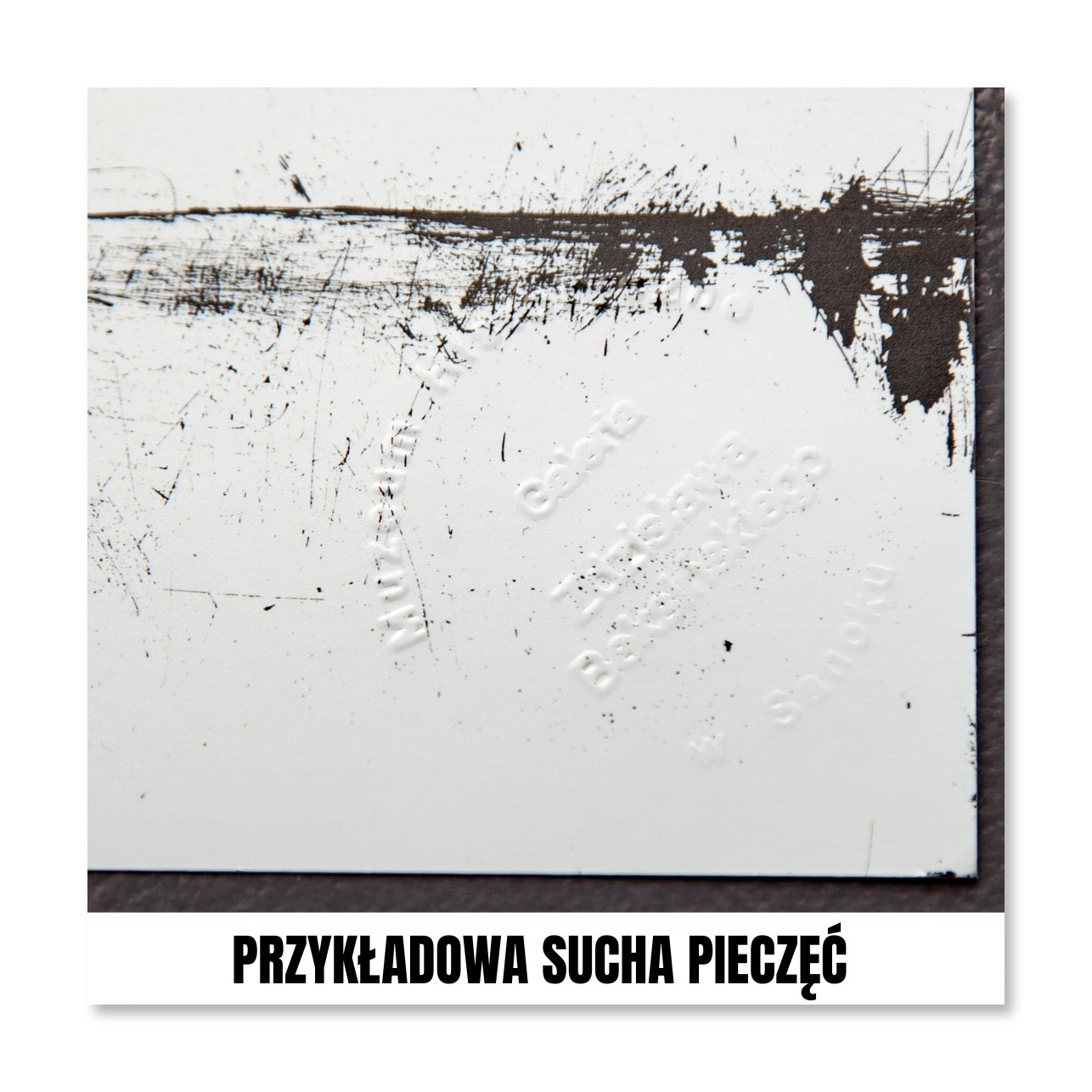
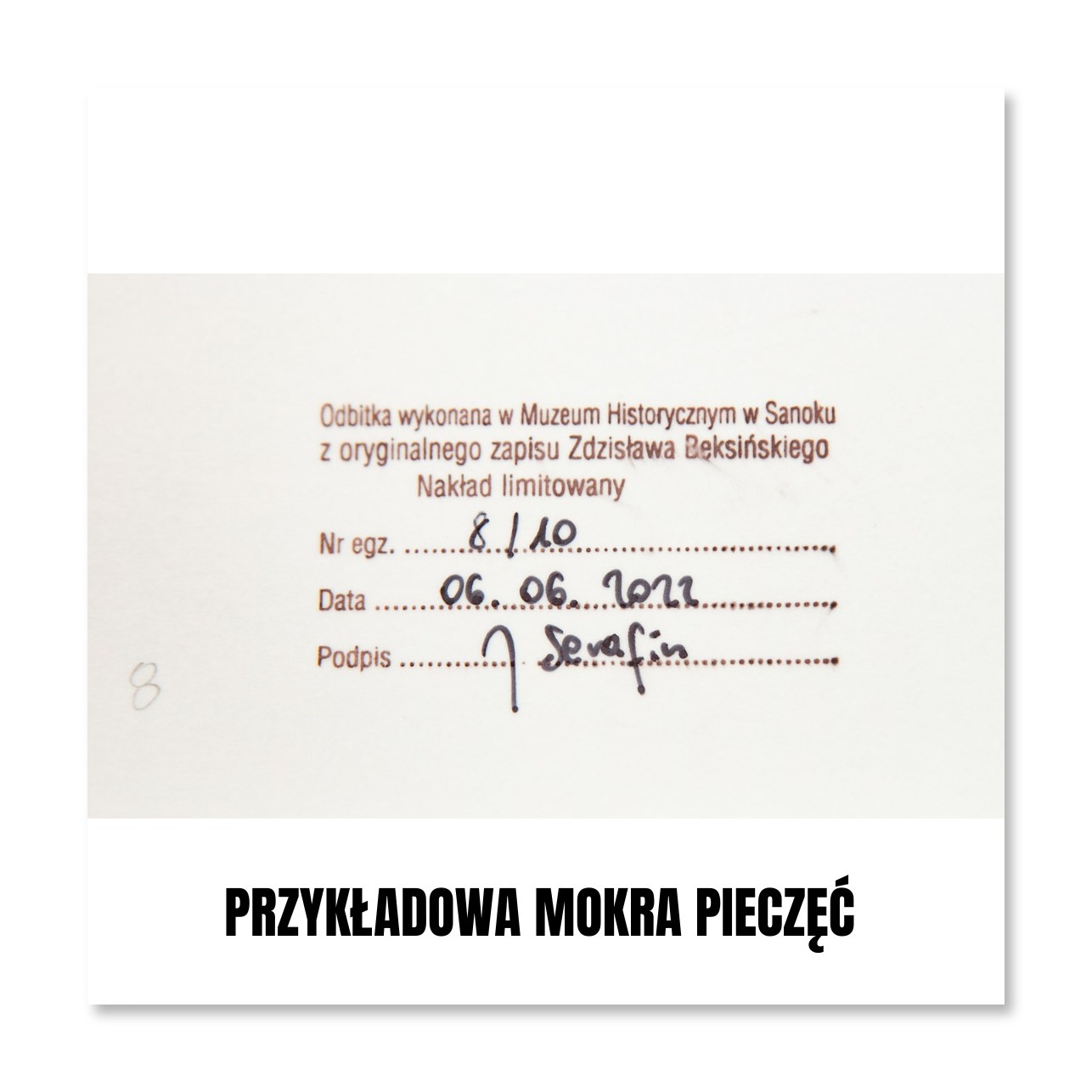
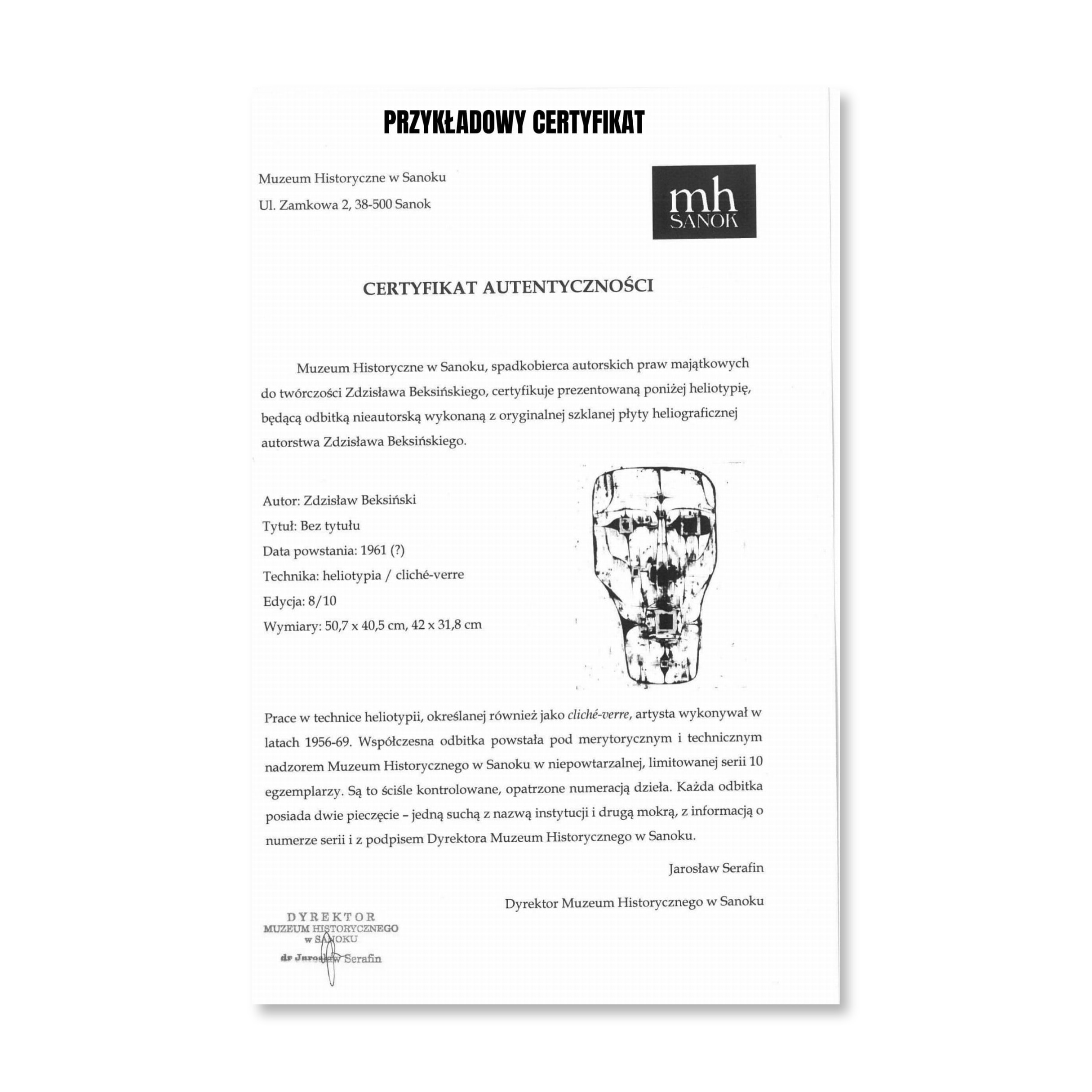
 Description
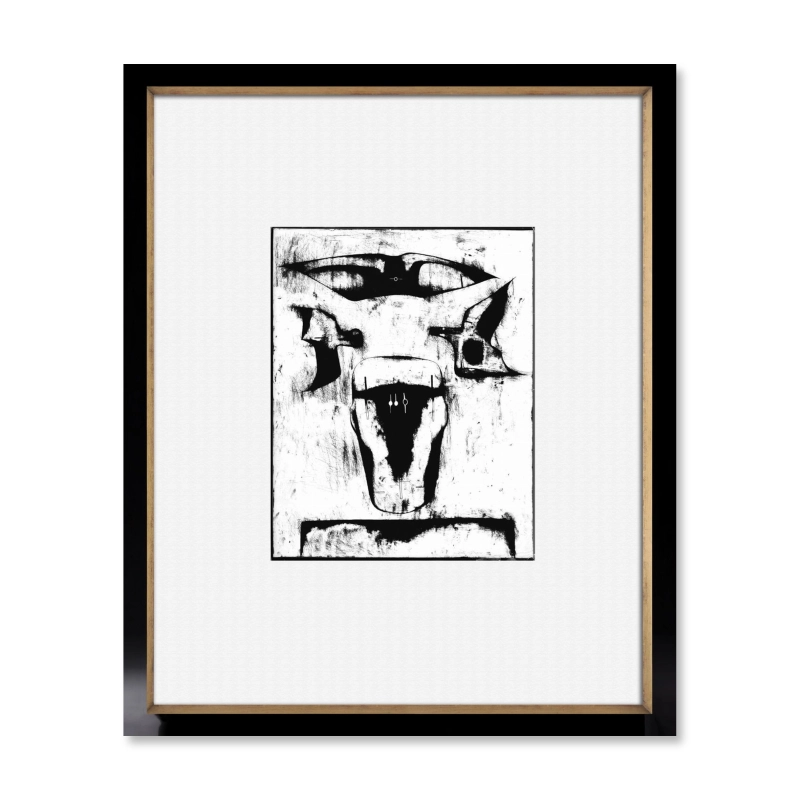
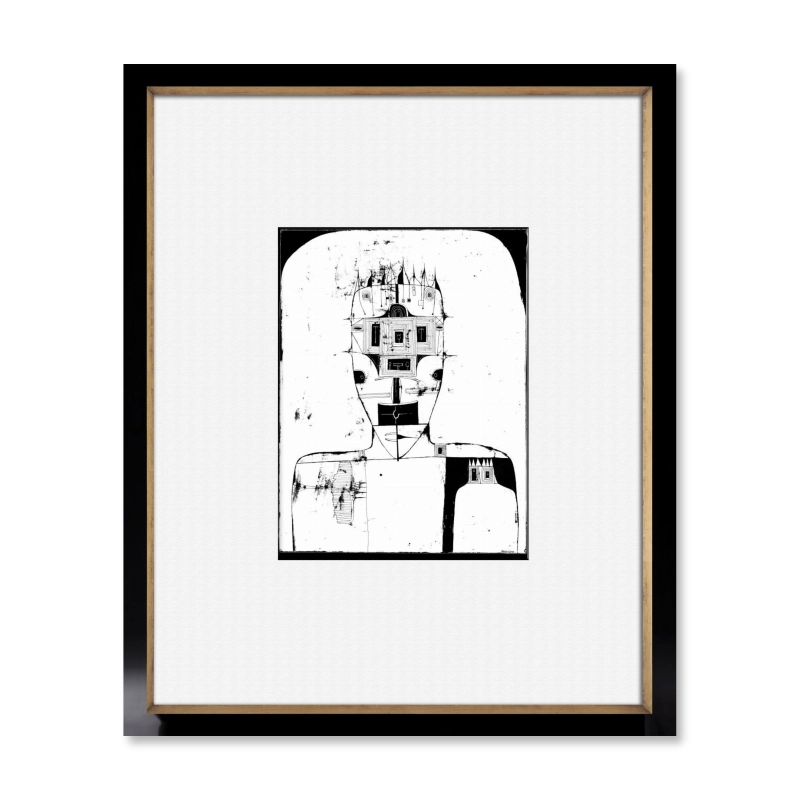
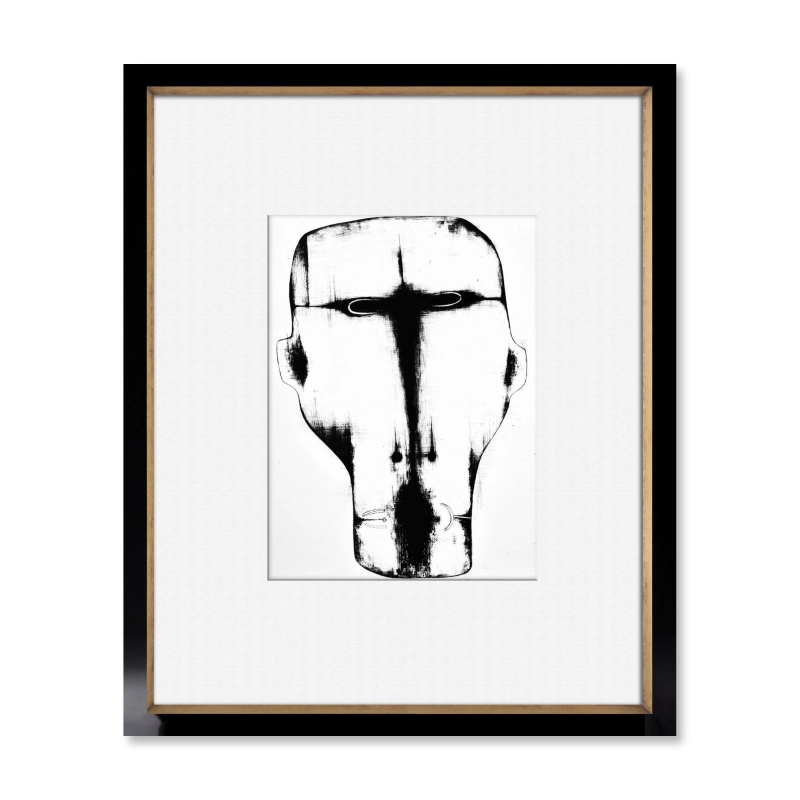
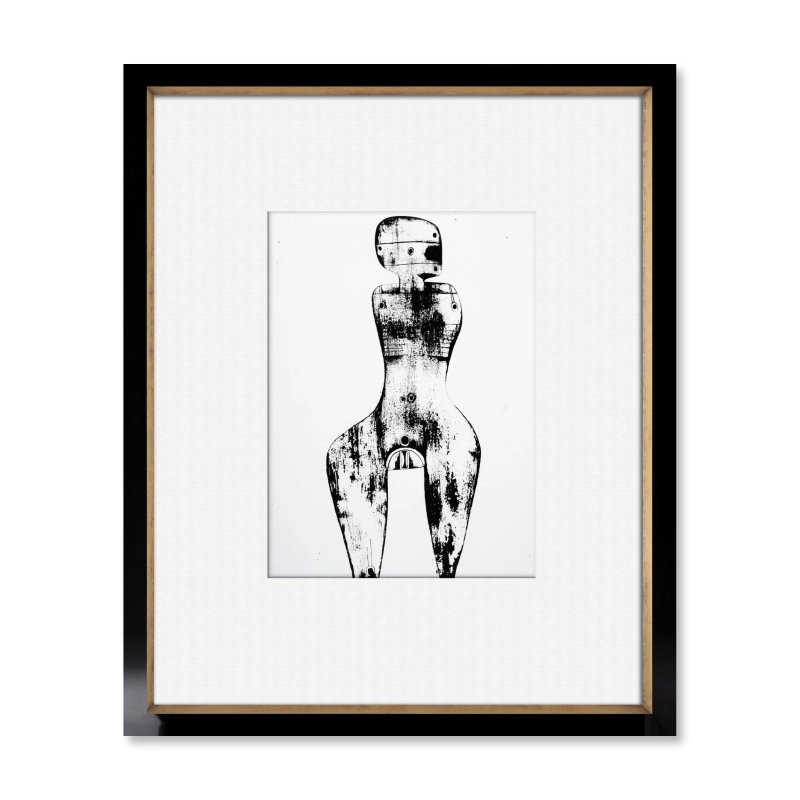
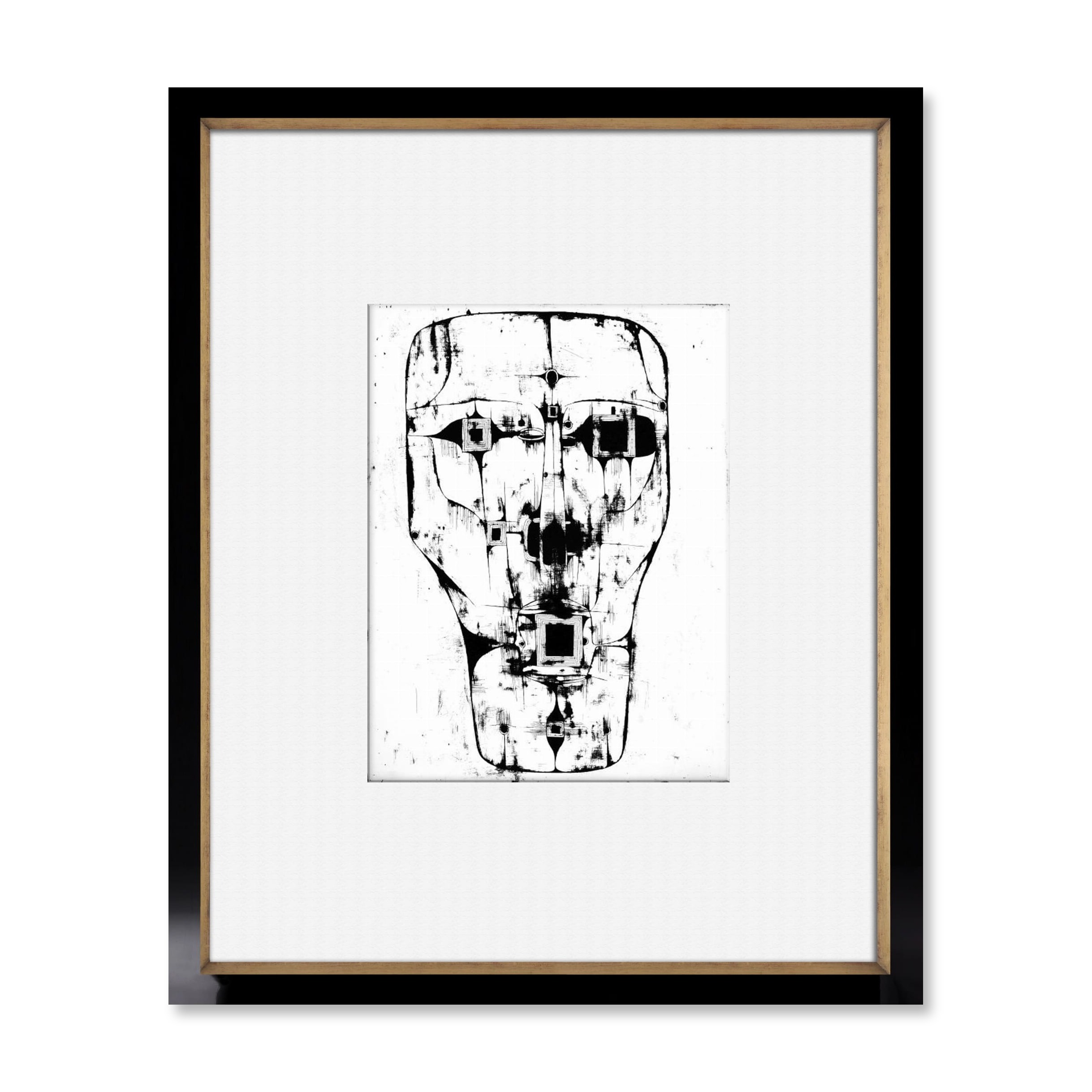
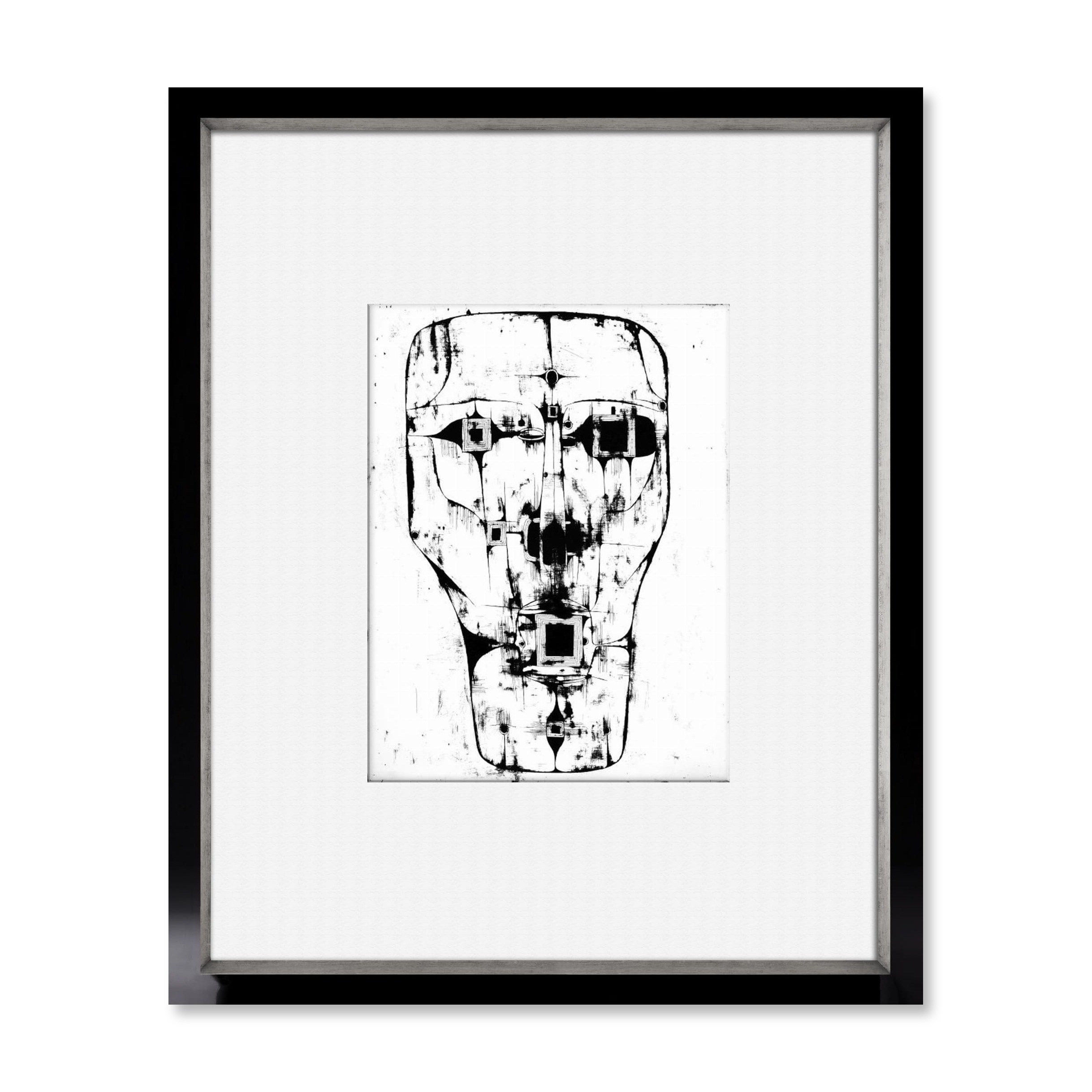
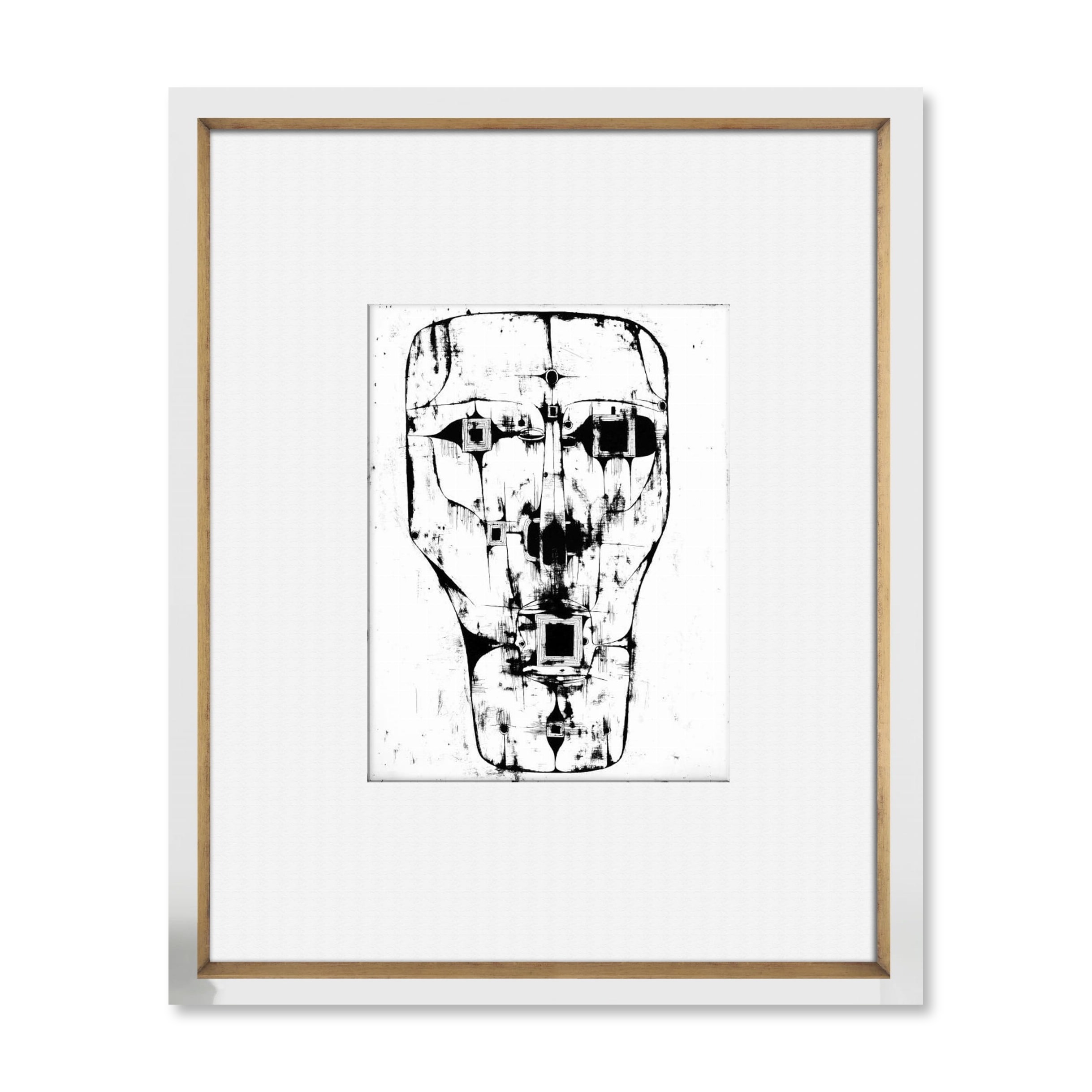
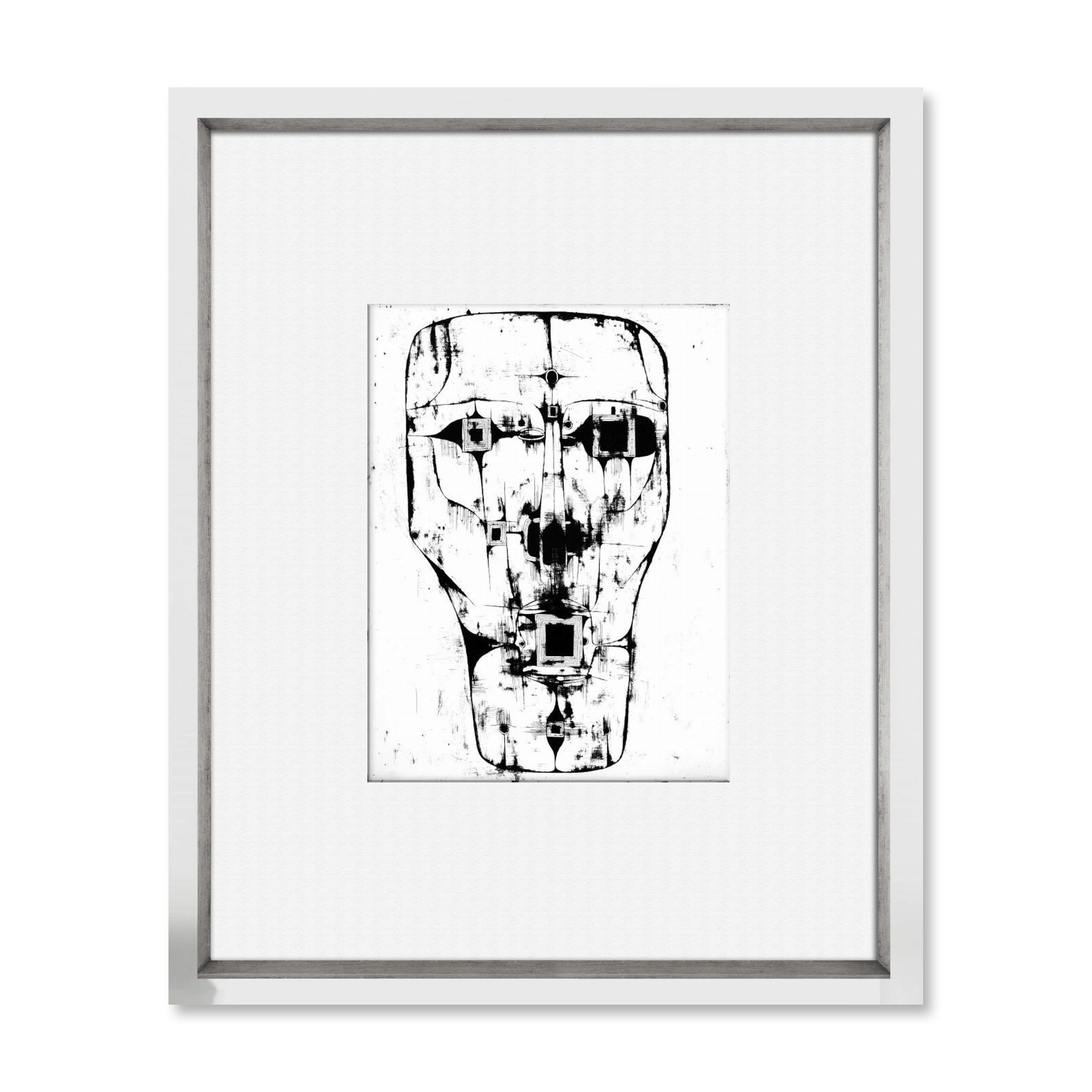
Beksiński referred to the cliché-verre technique as heliotype and most often this term - sometimes interchangeably with heliography - is used in publications devoted to the artist's work. In this technique, the print is obtained using the contact method. The drawing is made by scratching on glass plates painted with red or pink paint, and then it is reflected on photosensitive paper.
Beksiński used heliotype in the years 1956-69, in the period when he was still looking for new forms of expression. At the same time, he practiced sculpture, drawing and monotype. However, it was the cliché verre technique, associated with the photographic workshop, that made it possible to create more prints. Photographic paper allowed for a greater contrast between black and white than monotype or drawing, and thus enhanced the expression of the work.
Beksiński's work underwent numerous transformations and modifications. The atmosphere of the works and the subject matter remained unchanged, but the artist constantly solved the artistic problems he set himself. He began with almost decorative, cubist formal searches, reducing the human figure to concise, flat, mutually interacting visual forms. Over time, the tension and expressive drama of the works grew. Round forms were replaced with more predatory ones, and the heads of the figures were filled with small, geometric, almost mechanical elements. There were also multi-figure scenes - with simplified, deformed human and animal figures. Some of them were elaborated more spatially, sculpturally, others were drawn with a thin, delicate line - characteristic of a drawing. At the end of the 1960s, heliotypes were created, analogous to the then created works depicting deformed faces. They evoke constant decay, the drama of passing, the inevitability of death. An example are works showing unreal faces with sewn, scarred skin or terrifyingly empty eye sockets. And also those showing a female nude with a knife, bluntly introducing the atmosphere of the emerging fantasy period in painting.
Technical data
| Certificate of Authenticity | DESA Modern |
| Format - M - Size - Medium | 65,5 x 79,5 cm with passe-partout; 71 x 85 cm with frame |
 Related products